


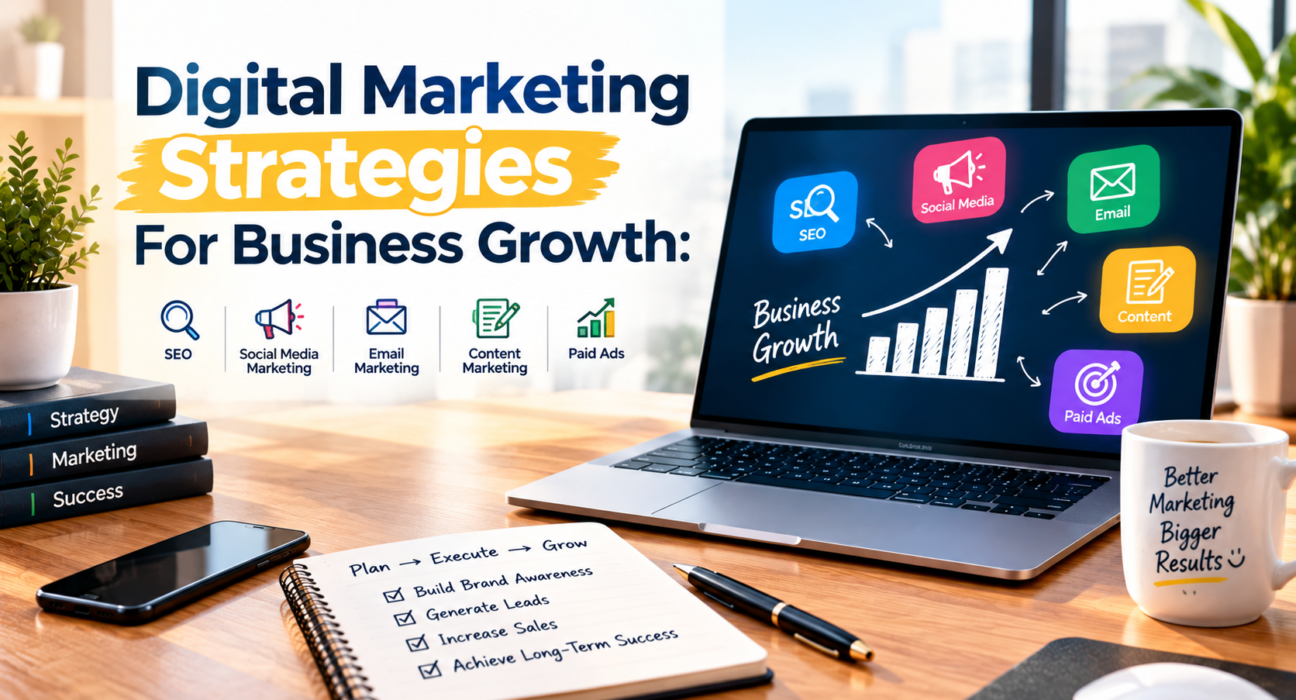
Digital marketing strategies helps businesses reach potential customers through websites, search engines, social media, email, and other online channels. A well-planned strategy can increase brand awareness, attract relevant visitors, and help businesses build lasting customer relationships.
However, effective marketing requires more than posting regularly or running advertisements. Businesses need clear goals, useful content, a defined audience, and a way to measure results.
1. Understand Your Target Audience:
Before choosing marketing channels, identify the people you want to reach.
Consider their needs, challenges, interests, purchasing behavior, and the questions they ask before choosing a product or service.
Customer interviews, feedback, search queries, and website analytics can help you understand what matters to your audience.
The better you understand your customers, the easier it becomes to create relevant messages and select suitable marketing activities.
2. Build a Strong Website:
Your website often acts as the central point of your digital marketing efforts. It should clearly explain your products or services and help visitors take the next step.
Use simple navigation, readable content, mobile-friendly layouts, and clear calls to action. Make sure important pages load properly and that contact forms and links work as intended.
A professional website also needs accurate information, appropriate security measures, and an easy way for customers to contact the business.
3. Invest in Search Engine Optimization:
SEO can help potential customers discover your content through organic search results.
Important SEO activities include researching relevant keywords, creating helpful pages, improving internal links, resolving technical issues, and making content easier to navigate.
Avoid writing only for search engines. Articles should answer real questions and provide enough detail to help readers accomplish their goals.
For a step-by-step introduction, read our guide to SEO for beginners.
4. Create Valuable Content
Content marketing involves creating and distributing useful information to attract and support an audience.
Examples include how-to guides, tutorials, case studies, product explanations, industry insights, and frequently asked questions.
Choose topics based on customer needs rather than publishing content simply to fill a schedule. Maintain a consistent editorial plan and update important pages when information changes.
AI tools may assist with planning and drafting, but fact-checking, editing, and original expertise remain essential.
5. Use Social Media Strategically:
Social media can help businesses build awareness, communicate with customers, and distribute content.
Choose platforms based on where your audience spends time and what type of content your business can produce effectively. A professional service may benefit from educational posts, while a visual product business may use demonstrations and short videos.
Measure meaningful outcomes such as relevant engagement, website visits, inquiries, and sales rather than relying only on follower counts.
6. Use Email Marketing Responsibly:
Email marketing can help businesses share updates, educational content, product information, and useful resources with people who have opted in.
Keep messages relevant and easy to read. Explain what subscribers can expect, respect their preferences, and provide a clear way to unsubscribe.
Follow applicable privacy and marketing laws, including any consent requirements that apply to your audience.
7. Measure Results and Improve:
Marketing performance should be evaluated against clear objectives.
For example, a business seeking leads might track qualified inquiries and conversion rates. An online store may focus on sales and customer retention, while a publisher may monitor relevant organic traffic and reader engagement.
Use analytics to identify opportunities, but interpret the data carefully. A rise in website traffic does not necessarily mean that business performance has improved.
Test changes methodically and focus on metrics that connect to your actual goals.
8. Make Technology Work for You:
Analytics platforms, content management systems, customer relationship tools, and AI assistants can support marketing operations.
Choose tools that solve specific problems, protect customer information, and fit your budget. Review their performance regularly rather than adopting technology simply because it is popular.
Conclusion:
Effective digital marketing combines audience research, a reliable website, useful content, SEO, social media, email, and ongoing measurement.
Start with a few clear objectives, focus on the channels that suit your business, and improve your strategy as you learn more about your audience. Consistent, responsible marketing can help establish trust and create better opportunities for sustainable growth.
At Blog to Blogging, we help you learn blogging, master SEO, create quality content, and grow your online presence with practical tips, expert insights, and useful digital tools. Explore more guides to take your blogging journey to the next level.



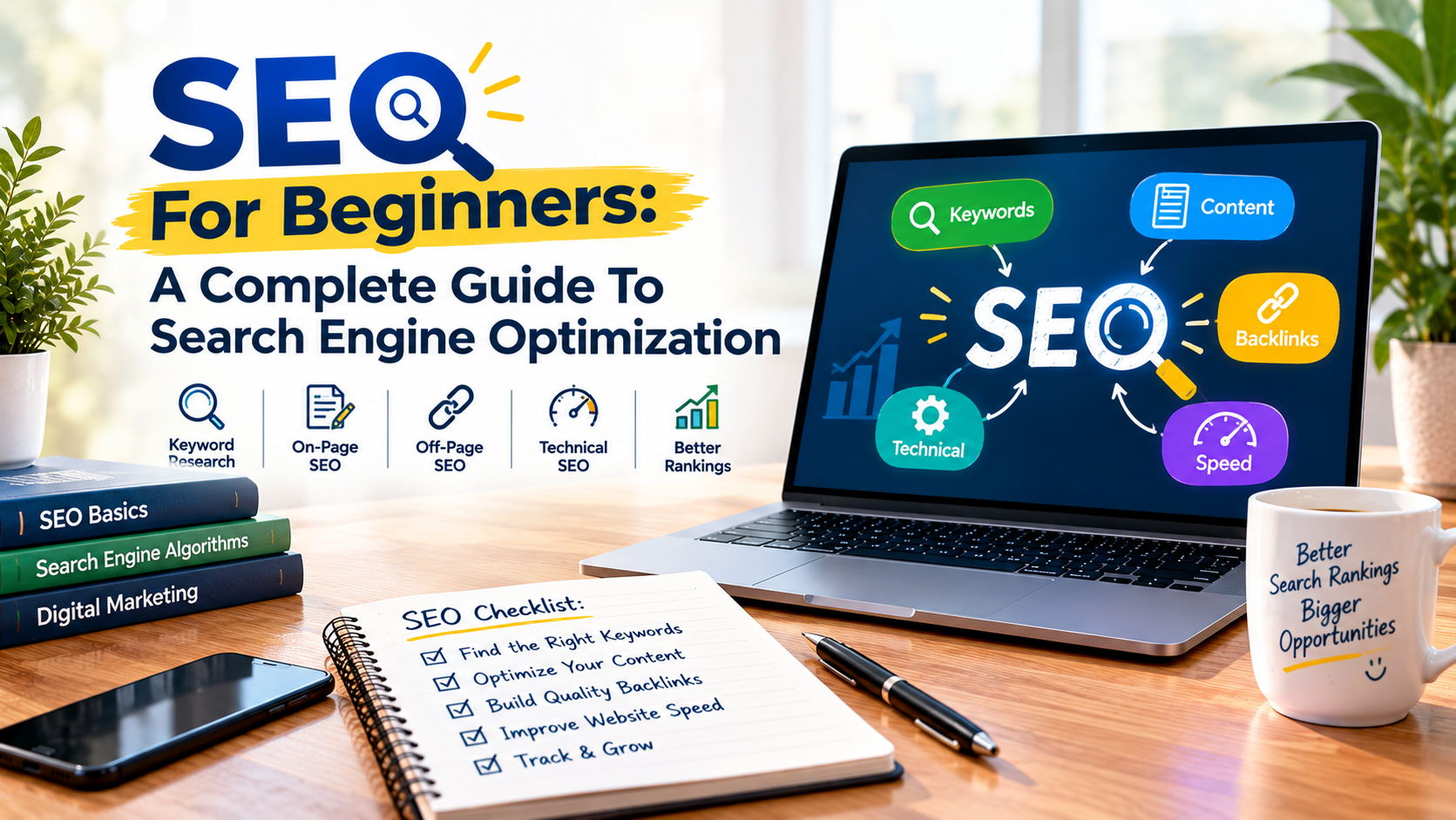
SEO for Beginners: A Complete Search Optimization Guide
October 13, 2026[…] Digital Marketing Strategies For Business Growth: […]