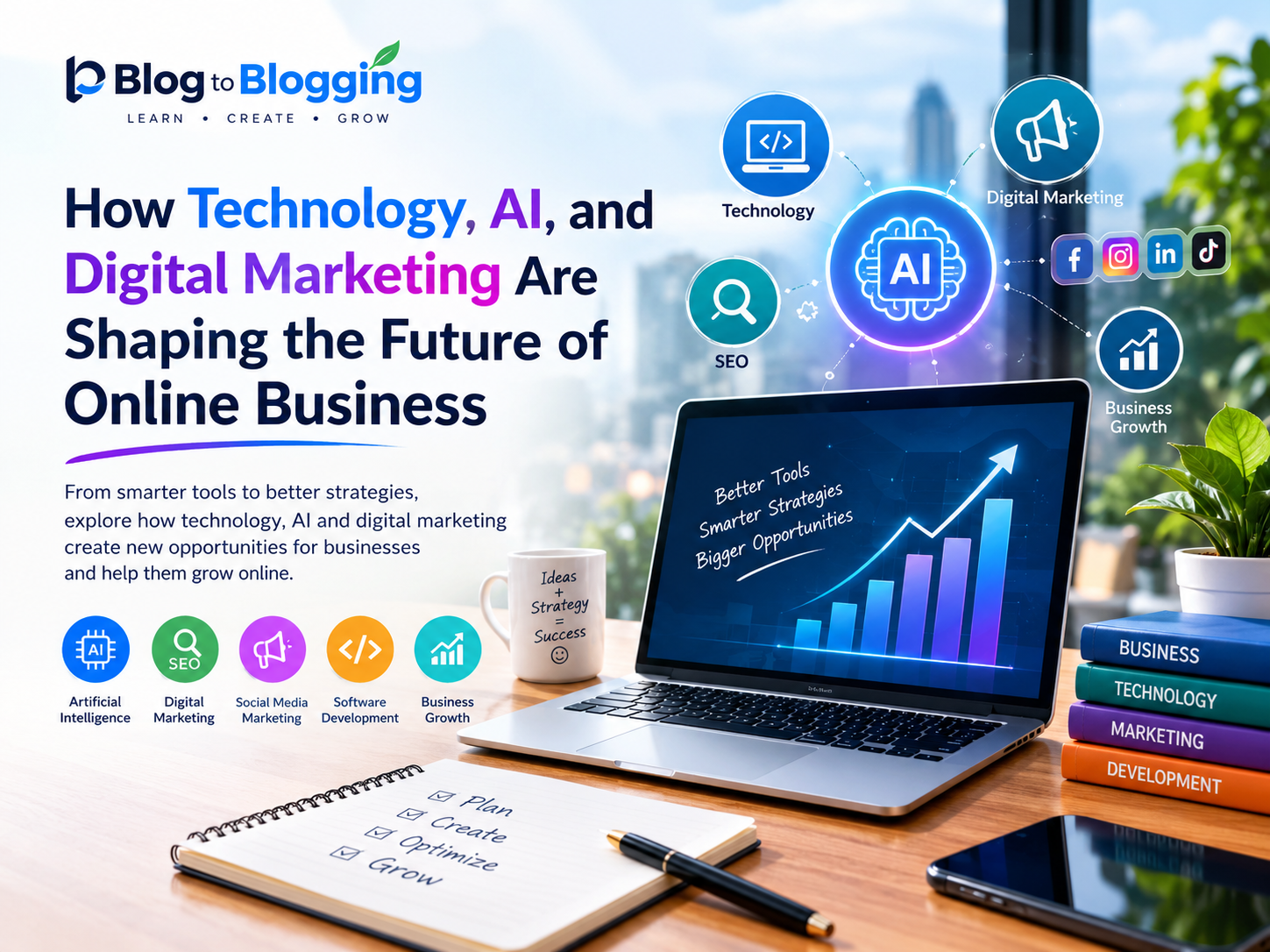



Technology continues to influence how businesses operate, how people communicate, and how digital services are developed. From artificial intelligence to cloud computing and cybersecurity, new tools are changing the way organizations solve problems and serve customers.
Understanding technology trends can help individuals develop useful skills and help businesses make informed decisions. However, following every new trend is not necessary. The real value comes from understanding which technologies solve meaningful problems.
1. Artificial Intelligence and Automation:
Artificial intelligence is one of the most influential areas of modern technology. AI-powered systems can assist with language processing, research, image analysis, coding, and customer support.
Businesses can use automation to reduce repetitive work and improve certain workflows. For example, automated systems can organize incoming inquiries or help teams process information more efficiently.
Nevertheless, AI tools can make mistakes. Human review remains important when accuracy, privacy, or important business decisions are involved.
To explore practical applications, read our guide to AI tools for productivity.
2. Cloud Computing:
Cloud computing allows businesses to access computing resources, storage, and software through online services instead of relying entirely on local infrastructure.
Cloud platforms can make it easier for teams to collaborate, scale services, and access information from different locations. They can also reduce the need for organizations to maintain all their own hardware.
However, cloud services require careful planning. Businesses should review pricing, access permissions, backups, reliability, and security before selecting a provider.
3. Cybersecurity and Data Protection:
As organizations depend more heavily on digital systems, protecting information becomes increasingly important.
Cybersecurity involves protecting devices, networks, applications, and data from unauthorized access and other threats. Common security practices include using strong passwords, enabling multi-factor authentication, installing updates, limiting access permissions, and maintaining reliable backups.
Businesses should also train employees to recognize suspicious messages, phishing attempts, and unsafe downloads.
Security is not a one-time task. Systems and procedures should be reviewed regularly as technology and threats change.
4. Mobile-First Digital Experiences:
Many people access websites and online services through smartphones. This makes mobile usability an important consideration for businesses and developers.
A mobile-friendly website should display readable text, provide accessible navigation, and make buttons and forms easy to use on smaller screens.
Website owners should test important pages on different devices and monitor performance. A website that works well on a desktop computer may still have usability problems on a phone.
5. Data Analytics and Better Decisions:
Data analytics helps organizations understand patterns and evaluate performance. Businesses may analyze sales, website activity, customer feedback, and marketing results to identify opportunities for improvement.
For example, a website owner can examine which pages attract visitors and which sources generate meaningful engagement. A business can use sales data to understand customer demand.
Data must be interpreted carefully. A change in a metric does not automatically explain why it happened. Useful analysis combines reliable data with context, testing, and sound judgment.
6. Software Development and Digital Innovation:
Software development turns ideas into digital products, websites, applications, and business systems.
Modern development practices include version control, automated testing, collaborative workflows, and regular maintenance. These practices can help teams create more reliable software and respond to changing requirements.
Businesses should choose technologies according to their needs, available expertise, budget, and long-term maintenance plans.
If you are new to building websites or applications, explore our guide to web development for beginners.
7. How Businesses Can Adapt:
Businesses do not need to adopt every new technology. Instead, they should identify their most important challenges and evaluate which tools can address them.
A practical approach is to define a goal, compare available solutions, test a tool on a small scale, and measure the results. Businesses should also consider training, integration, security, and ongoing costs.
Technology should support a clear purpose rather than become an expense without measurable value.
Conclusion:
Artificial intelligence, cloud computing, cybersecurity, mobile experiences, analytics, and software development are important areas to understand in today’s digital environment.
By focusing on useful applications, protecting information, and continuing to learn, individuals and businesses can adapt more effectively to technological change. The goal is not simply to use new technology, but to use it responsibly to solve real problems.
At Blog to Blogging, we help you learn blogging, master SEO, create quality content, and grow your online presence with practical tips, expert insights, and useful digital tools. Explore more guides to take your blogging journey to the next level.