

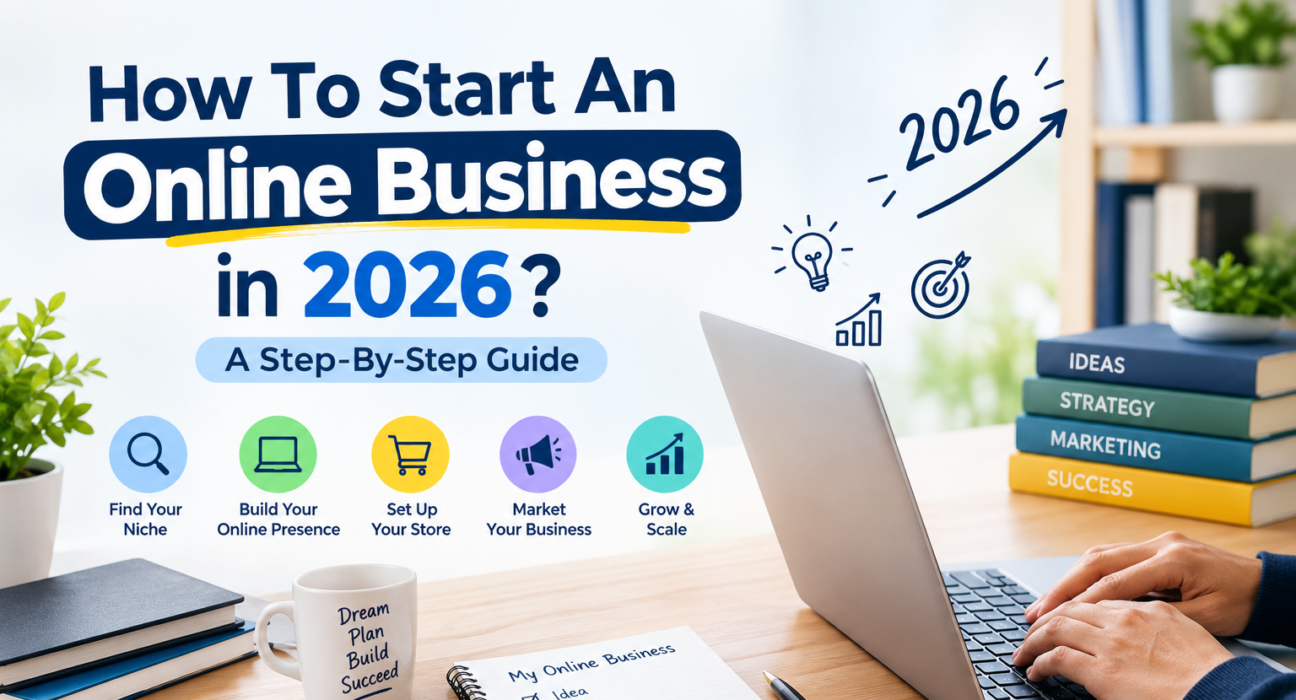
Starting an online business has become an attractive option for people who want to share their skills, sell products, or build a source of income. The internet allows businesses to reach customers beyond their local areas, while digital tools make it easier to manage marketing, communication, and daily operations.
However, building a successful online business requires more than creating a website. You need a clear idea, an understanding of your target audience, a suitable business model, and a plan for attracting customers.
In this guide, you will learn how to start an online business step by step and explore the digital skills that can support long-term growth.
1. Choose a Business Idea:
The first step is choosing a business idea that matches your skills, interests, resources, and market demand.
Some popular online business models include:
- E-commerce stores that sell physical products.
- Freelance services such as SEO, graphic design, and content writing.
- Digital products, including templates, guides, and online courses.
- Affiliate websites that earn commissions through qualifying referrals.
- Software products and subscription-based online services.
Before investing money, research your potential customers. Identify the problems they experience and determine whether your product or service can provide a useful solution.
A good business idea should have a clear audience and a realistic way to generate revenue.
2. Research Your Target Audience:
Understanding your customers helps you make better business decisions. Consider their needs, interests, budgets, common questions, and preferred online platforms.
You can conduct research by reviewing customer discussions, analyzing competing websites, studying search queries, and speaking directly with potential customers.
Look for gaps in existing solutions. For example, customers may need clearer instructions, better customer support, more convenient delivery, or a service tailored to a specific industry.
This research can also help you choose topics for your website and marketing campaigns.
3. Build Your Online Presence:
A professional online presence makes it easier for potential customers to learn about your business.
Depending on your business model, you might need a website, an online store, a portfolio, or a dedicated service page. Your website should explain what you offer, who it helps, and how visitors can contact you or make a purchase.
Choose a relevant domain name, create clear navigation, and ensure your website works well on mobile devices.
If you are planning to sell services, include descriptions of your services, examples of your work, and a clear contact method. If you sell products, provide accurate product information, pricing, shipping details, and return policies.
4. Use Digital Marketing to Attract Customers:
Building a website is only one part of the process. You also need a strategy to help people discover your business.
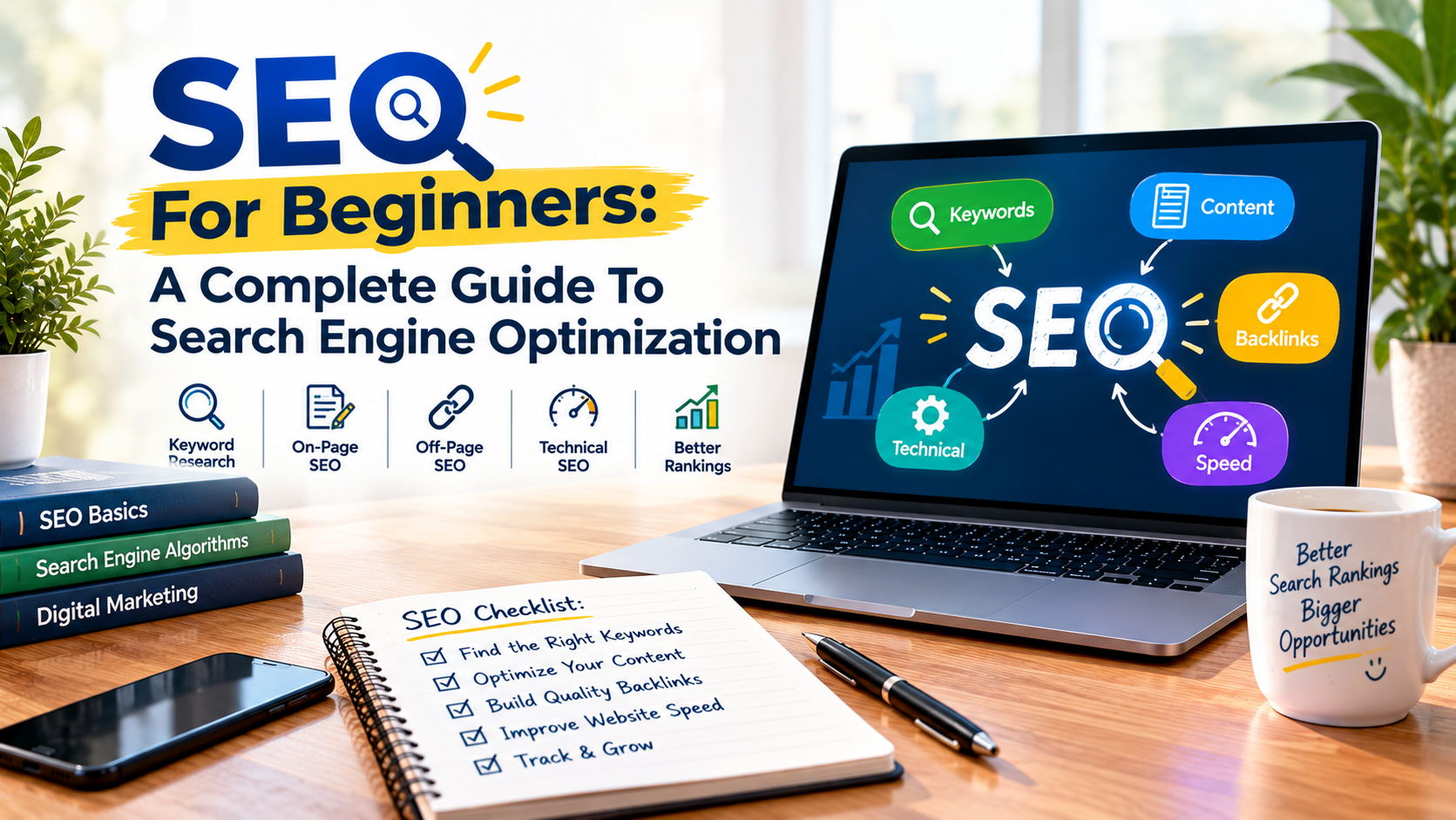
Search engine optimization can improve your website’s visibility in organic search results. Content marketing can answer customer questions, while social media can help you share updates and engage with potential customers.
Email marketing may help you maintain relationships with people who have chosen to receive your communications.
You do not need to use every marketing channel immediately. Start with the channels that best match your audience and budget, then improve your approach based on performance.
For a deeper understanding, read our guide to digital marketing strategies for business growth.
5. Use Technology and AI Tools Wisely:
Digital tools can make business tasks more man;ageable. Website platforms can help you publish content, analytics tools can measure website activity, and customer management software can organize inquiries.
Artificial intelligence tools may also assist with brainstorming, research, summarization, and repetitive administrative work. However, AI-generated information should be checked before it is used in business decisions or published online.
Select tools according to your actual needs rather than purchasing every new service. Consider cost, usability, privacy, security, and how each tool supports your business goals.
6. Create a Realistic Budget:
Before launching, estimate your expected expenses. These may include domain registration, hosting, website development, software subscriptions, product costs, advertising, and payment processing.
Begin with essential expenses and avoid unnecessary spending until you understand what customers want.
Track revenue and expenses regularly. Remember that sales are not the same as profit: you must account for the costs involved in delivering products or services.
Depending on your location and business structure, you may also need to consider tax obligations, registrations, consumer protection requirements, and other applicable regulations.
7. Measure Your Progress:
Once your business is running, track indicators that reflect your goals.
These might include website traffic, qualified inquiries, conversion rates, repeat customers, customer satisfaction, and profit margins.
Use the information to identify what works and what needs improvement. If visitors reach your website but do not contact you, for example, you may need to improve your service descriptions, pricing information, or calls to action.
Growth usually involves testing, learning, and making adjustments rather than relying on one strategy.
Conclusion:
Starting an online business requires planning, patience, and a willingness to learn. By choosing a useful business idea, researching your audience, building a reliable online presence, and applying suitable marketing strategies, you can establish a stronger foundation for your project. BlogToBlogging provides helpful insights, guides, and resources to help you learn about blogging, SEO, content creation, and growing your online presence.
Focus on solving customer problems, managing your resources carefully, and improving your services over time. Sustainable growth comes from providing genuine value and building trust with your audience. With the right knowledge and consistent effort, you can turn your online business idea into a long-term opportunity. Explore BlogToBlogging for more tips and practical guidance to support your online journey.